

Noninvasive Treatment Boosts Immune Response Against Glioblastoma
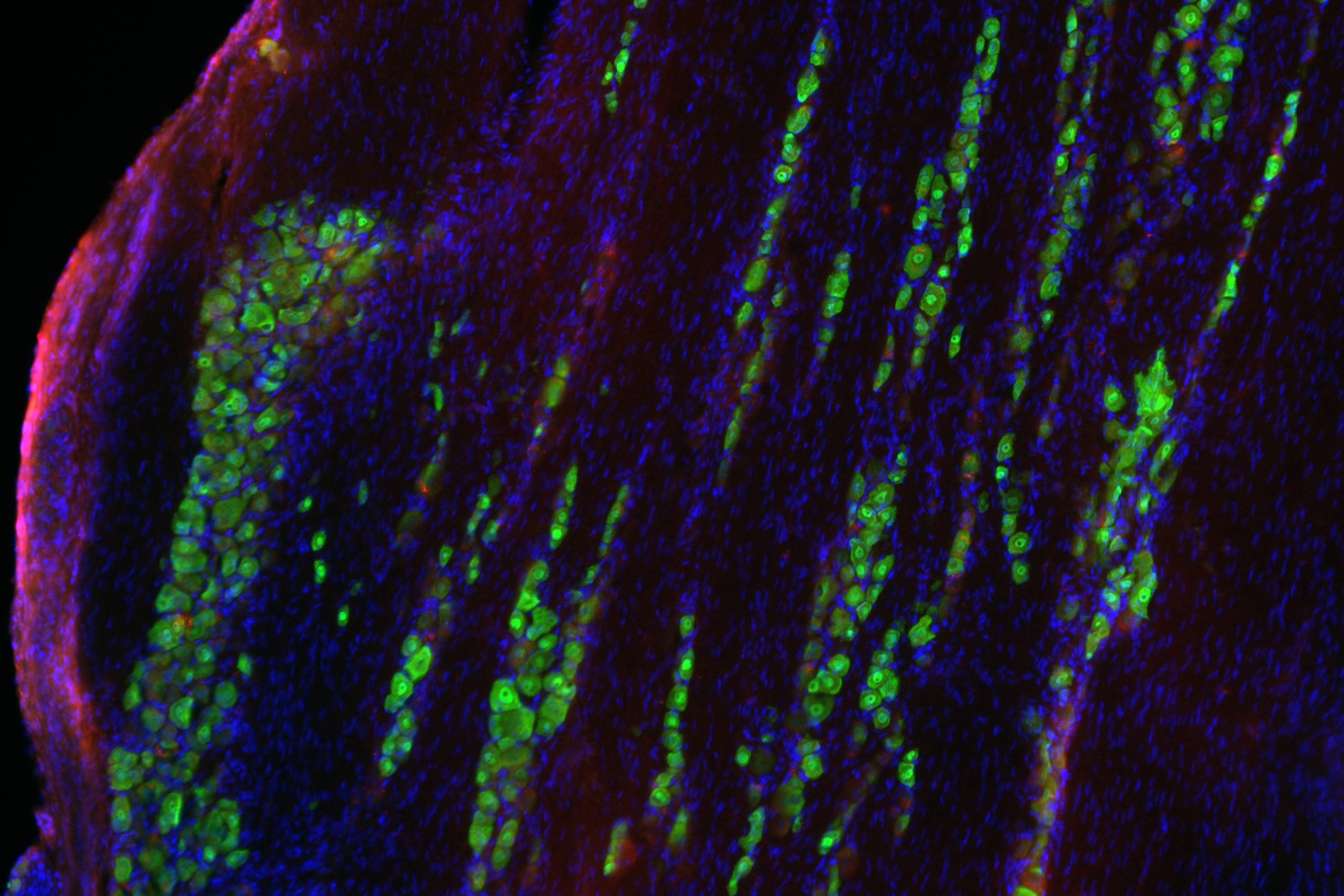
Northwestern Medicine scientists, along with collaborators from the Washington University School of Medicine, have developed a noninvasive nanomedicine approach that may improve the treatment of glioblastoma, the most aggressive form of brain cancer, according to a recent study published in the Proceedings of the National Academy of Sciences.
Immunotherapy has transformed cancer care by enhancing the body’s immune response to better recognize and attack cancer cells. While immunotherapy has been shown to be effective in many cancers, including lung and breast cancer, it has shown benefit in only a small number of patients with glioblastoma, the most common and aggressive type of primary brain cancer.
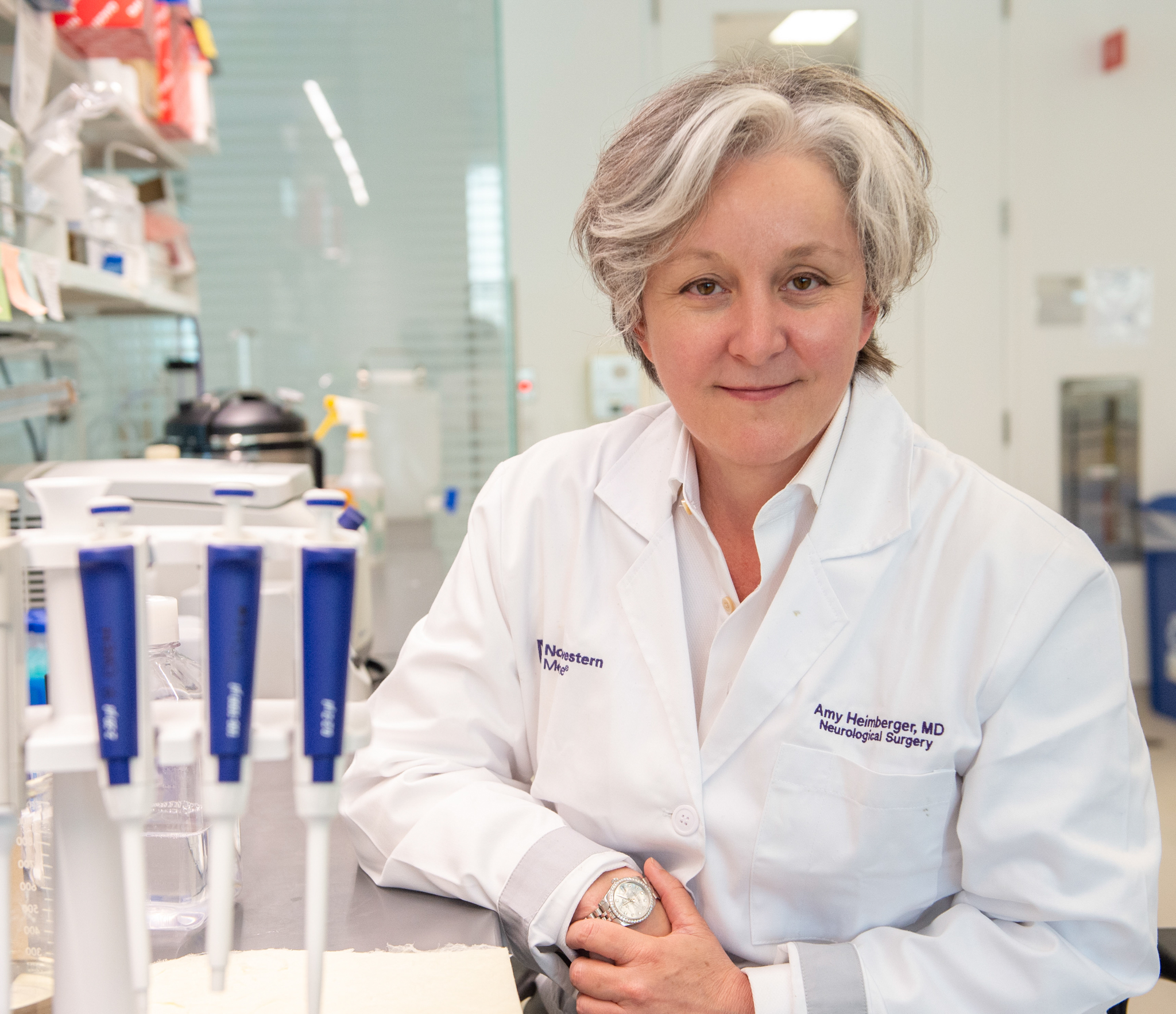
“Part of the reason for its failure is the fact that high-grade gliomas in the brain lack the target of those immunotherapy drugs, which are killer T-cells. If you have a cancer that lacks those T-cells, or ‘cold tumors,’ then these drugs don’t do much,” said Amy Heimberger, MD, PhD, the Jean Malnati Miller Professor of Brain Tumor Research and a co-author of the study.
“We need to understand and we need to overcome a very high degree of immunosuppression in the disease and, secondly, we have to think more creatively about how we deliver therapies to the brain and to the brain microenvironment,” said Alexander Stegh, PhD, professor of Neurosurgery at the Washington University School of Medicine and director of research of the Brain Tumor Center at the Alvin J. Siteman Comprehensive Cancer Center, who was co-corresponding author of the study.
To address this challenge, the scientists, in collaboration with the laboratory of Chad Mirkin, PhD, professor of Medicine in the Division of Hematology and Oncology, the George B. Rathmann Professor of Chemistry at the Weinberg College of Arts and Sciences and director of the International Institute for Nanotechnology, developed a novel spherical nucleic acid (SNA) nanostructure that specifically targets the cGAS enzyme, an upstream target of the STING pathway (Stimulator of Interferon Genes) pathway.
The STING pathway plays a fundamental role in the body’s innate immune response. Previous work has shown that when activated, the STING pathway reprograms tumor-associated myeloid cells and reverses their immunosuppressive properties, inhibiting tumor growth.
“Having a therapeutic handle on those [myeloid] cells to reprogram them into a more anti-tumor phenotype is going to have a very significant impact for the disease,” Stegh said.

The novel nanostructure, a cGAS-agonstic SNA, is composed of oligonucleotides — synthetic strands of DNA — that are assembled in a spherical form, which gives it a higher degree of stability compared to other previously developed STING agonists. The cGAS-agonstic SNA works by directly binding to cGAS, initiating a downstream effect that activates the cGAS-STING pathway and triggers the innate immune response.
“This is really the initiating step of the signaling cascade,” Stegh said.
To demonstrate how the approach could be delivered noninvasively, the investigators administered the nanomedicine intranasally with nasal drops in mice with glioblastoma tumors, as well as injecting the nanomedicine directly into the tumors.
Analyses of the immune cells from the tumors revealed that the approach inhibited tumor growth and promoted long-term survival in the mice, as well as increasing effector T-cells and proinflammatory macrophages, or specialized white blood cells, within the tumor microenvironment.
When the scientists administered the approach in conjunction with immune checkpoint inhibitors, another type of immunotherapy, they observed inhibited tumor development and induced long-term immunity in the mice.
The findings underscore the potential of the noninvasive approach in increasing the efficacy of glioblastoma treatment and improving patient outcomes. Moving forward, the scientists aim to enhance their approach so that it could activate other immune responses.
“We are always asking questions in terms of how we can further improve the efficacy of these first-generation cGAS-agonistic SNAs. We are currently creating multifunctional SNAs that not only activate the cGAS-STING signaling pathway, but as a single entity therapeutic also impact other immunosuppressive signaling pathways,” Stegh said.
Akanksha Mahajan, PhD, a former graduate student in the Driskill Graduate Program in the Life Sciences (DGP) and a postdoctoral research associate at the Washington University School of Medicine, was lead author of the study.
Co-authors include Connor Forsyth, a student in the Medical Scientists Training Program (MSTP); Bin Zhang, MD, PhD, the Johanna Dobe Professor of Cancer Immunology; and Jason Miska, PhD, assistant professor of Neurological Surgery.
Heimberger, Zhang and Miska are members of the Robert H. Lurie Comprehensive Cancer Center of Northwestern University.
This work was supported by the National Cancer Institute grants P50CA221747 and R01CA275430; National Institute of Health grants R01CA120813, R01NS120547, and R01CA272639; a Ryan Fellowship; the Melanoma Research Foundation; the Chicago Cancer Baseball Charities at the Lurie Cancer Center of Northwestern University; and research grants from Cellularity, Alnylam and AbbVie.
Legal Disclaimer:
EIN Presswire provides this news content "as is" without warranty of any kind. We do not accept any responsibility or liability for the accuracy, content, images, videos, licenses, completeness, legality, or reliability of the information contained in this article. If you have any complaints or copyright issues related to this article, kindly contact the author above.
